The Wild, Wandering Journey of Coffee: From Dancing Goats to a Global Ritual
October 1 is World Coffee Day, making it the perfect day to know more about how the beloved beverage comes directly from Muslim roots!
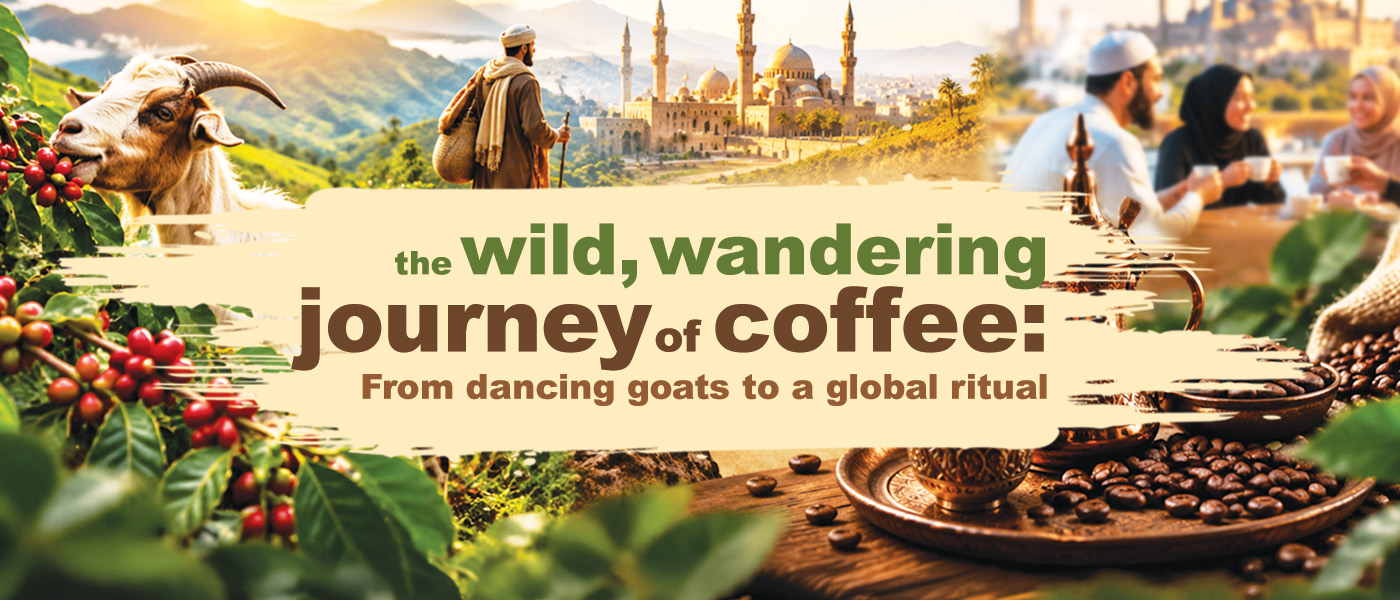
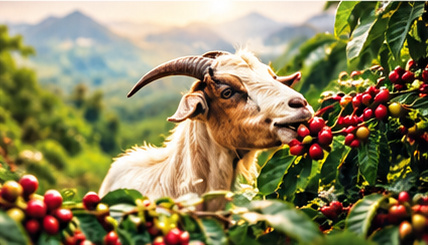
Coffee didn’t begin in a boardroom, a café, or a hipster’s kitchen. According to legend, it began with a goat herder named Kaldi in the highlands of Ethiopia. One day, Kaldi noticed his goats acting strangely. They were jumping, dancing, and behaving as if they had discovered a secret source of energy. Curious, he traced their excitement to a shrub covered in bright red cherries. He tasted one, and the world changed.
That is the mythic spark. But the real story of how coffee became a drink, a ritual, and a global obsession belongs to the Muslim communities who transformed it from a curious berry into a cultural powerhouse.
How Coffee Became the Drink of Devotion
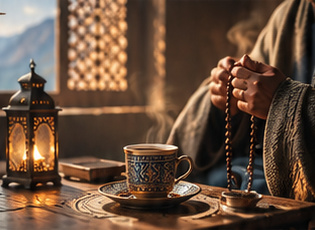
Long before coffeehouses buzzed in Paris or New York, coffee found its first true home in Yemen. By the 1400s, Sufi monks were brewing roasted beans into a dark, invigorating drink that helped them stay awake during long nights of prayer and meditation. Coffee was not just a beverage. It was a spiritual companion.
From Yemen’s port city of Al Mukha, the drink began its journey outward. Traders, scholars, and pilgrims carried it across the Islamic world. In cities like Mecca, Cairo, and Istanbul, coffeehouses known as qahveh khaneh became lively hubs of conversation, poetry, music, and debate.
The Rise of Yemeni Coffee: The First Global Coffee Industry
Yemen did not simply adopt coffee. It industrialized it. By the 15th century, the Yemeni highlands around Haraz, Ibb, and Bani Matar were cultivating coffee with meticulous care. Farmers developed early techniques for selective harvesting, sun drying, and long fermentation that gave Yemeni beans their famously complex flavor.
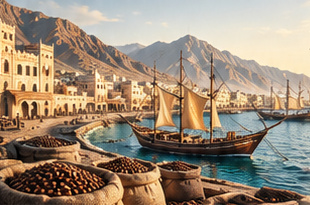
Several factors made Yemen the world’s first coffee superpower:
Yemeni cultivation
For centuries, Yemen was the only region exporting roasted coffee beans. The plants were guarded fiercely, and exporting live seedlings was illegal.
The Port of Al Mukha
This bustling Red Sea port became the global gateway for coffee. Merchants from Egypt, Persia, India, and eventually Europe traveled there for its prized beans.
Sufi trade networks
Traveling scholars and pilgrims carried coffee across the Islamic world, spreading both the drink and Yemeni brewing traditions.
Early branding
Mocha coffee became synonymous with quality. Even when other regions began growing coffee, they marketed their beans as mocha style to borrow Yemen’s prestige.
Yemen’s coffee economy was so influential that European powers spent decades trying to smuggle seedlings out of the region. They eventually succeeded, leading to plantations in India, Java, and the Caribbean. But Yemen’s role as the birthplace of commercial coffee was already secure.
Ottoman Coffee Culture: Where Coffee Became Ceremony
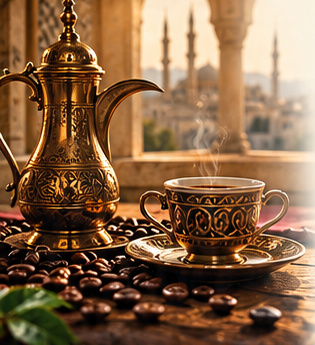
By the time coffee reached the Ottoman Empire in the 1500s, it had transformed from a devotional drink into a full cultural institution. The Ottomans did not simply drink coffee. They ritualized it.
Here is how they elevated the bean:
- The Ottoman Roast They perfected slow roasting over charcoal, producing a deep, velvety brew that became the standard across the empire.
- Coffeehouses as cultural salons Ottoman kahvehane were hubs of storytelling, chess, poetry recitals, political debate, and music. They were the social media of their time.
- Coffee and hospitality Serving coffee became a symbol of refinement. Guests were welcomed with ornate cups, brass pots, and elaborate serving trays.
- Marriage traditions In some regions, a bride’s ability to brew excellent coffee was considered a sign of her readiness for marriage. A groom who mistreated his wife might even be denied coffee as punishment.
- Political influence Coffeehouses became so influential that sultans occasionally tried to ban them, fearing they encouraged dissent. They failed. Coffee was too beloved.
Ottoman coffee culture shaped the Middle East and Europe alike. Venetian merchants brought the drink home, inspiring the first European cafés. French and English coffeehouses soon followed, becoming engines of Enlightenment thought.
The Words We Sip: How Muslim Languages Shaped Coffee Culture
If you have ever ordered a mocha, brewed a coffee, or visited a café, you have already spoken a little Arabic without realizing it.
The word coffee traces back to the Arabic qahwa, which originally referred to a type of wine. As coffee became the drink of choice in Yemen and the wider Muslim world, qahwa shifted to mean the energizing brew we know today. The Ottomans adopted it as kahve, Italians adapted it into caffè, and English eventually turned it into coffee.

Mocha comes directly from Al Mukha, Yemen’s legendary port city whose beans were prized for their rich, chocolatey profile. Even the word café has roots in Turkish kahveh and Arabic qahwa, carried into French and then into nearly every language on earth.
Coffee is not only a drink shaped by Muslim communities. It is a vocabulary shaped by them too.
Why This Matters on World Coffee Day
World Coffee Day is not just about celebrating your favorite latte. It is a chance to honor the centuries of culture, innovation, and community that shaped the drink we love.
Coffee’s journey from Ethiopian hills to Yemeni monasteries, Ottoman palaces, and finally your morning cup reminds us that global traditions often begin with small, human stories. A curious goat. A devoted monk. A bustling port. A shared drink.
Every sip carries that history forward.
Welcoming Furqaan Cafe: A New Community Space at Masjid Furqaan Bolingbrook
For generations, coffee has served as a gathering point for communities around the world. From the early Sufi circles of Yemen to the historic coffeehouses of Istanbul, it has always been a drink that brings people together for conversation, reflection, and connection. That same tradition is now taking root in Bolingbrook.
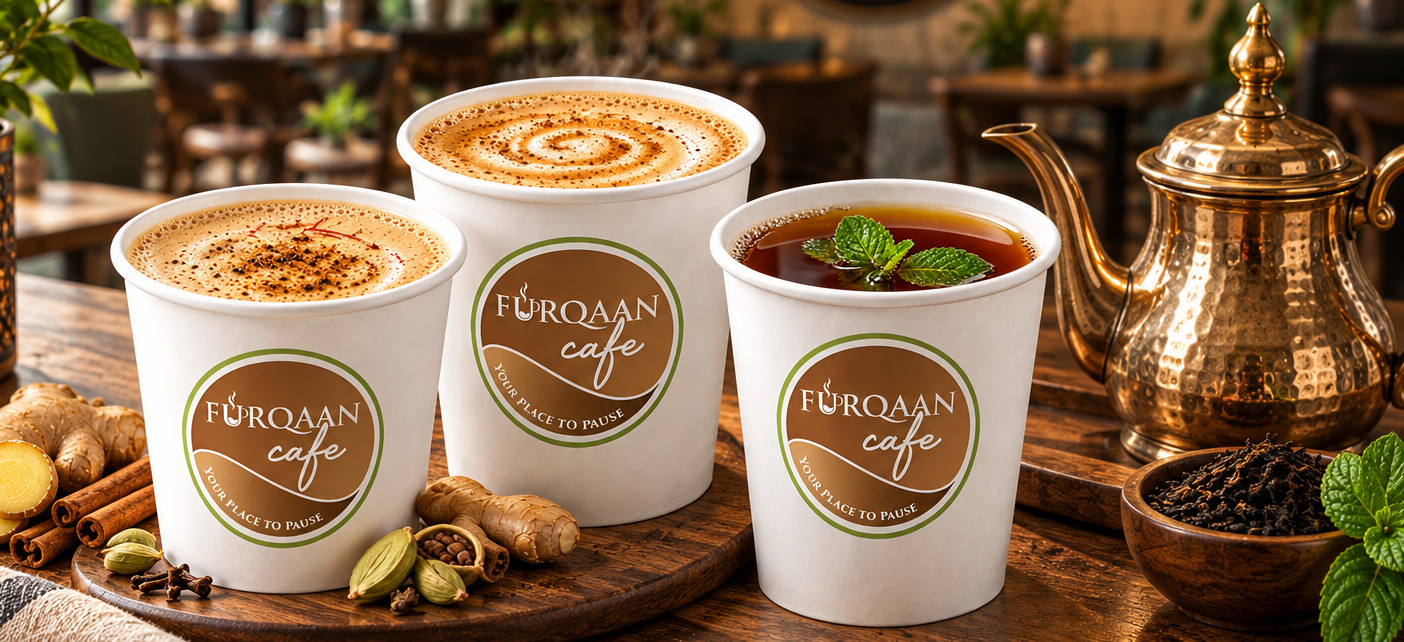
Furqaan Cafe will soon open inside Masjid Furqaan Bolingbrook, offering a warm and welcoming space for our community. The cafe is designed to be a place where families, students, volunteers, and visitors can meet, unwind, study, or simply enjoy a moment of calm. Whether someone stops in after prayer, meets a friend, or takes a break during a busy day, the café will provide an inviting environment that reflects the values of hospitality and togetherness.
Much like the historic qahveh khaneh that once served as centers of learning and social life, Furqaan Cafe aims to strengthen community bonds and create opportunities for meaningful interaction. It will offer high-quality beverages inspired by the regions that shaped coffee’s earliest history, connecting our modern experience to a rich cultural legacy.
Furqaan Cafe is more than a place to enjoy a drink. It is an extension of Masjid Furqaan’s commitment to nurturing community life and creating spaces where people feel welcome, supported, and connected. We look forward to opening our doors soon and sharing this new chapter with everyone in Bolingbrook.